


- RISTORANTI-TRATTORIE
- PIZZERIE
- AGRITURISMI
- PRODUTTORI
- CONSORZI
 · Abbiamo qualcosa da raccontarvi: "Casalmaggiore …da visitare" ·← Elenco BlogCasalmaggiore …da visitare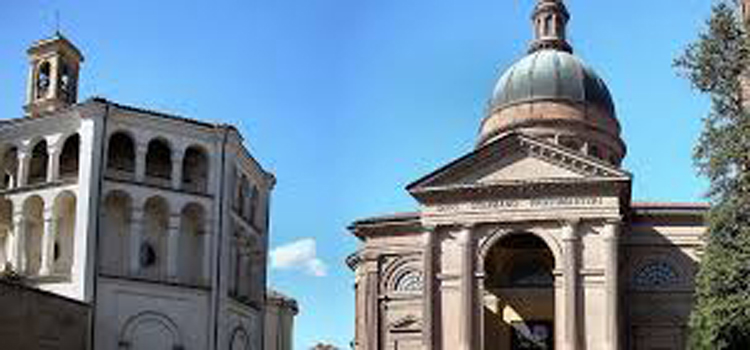
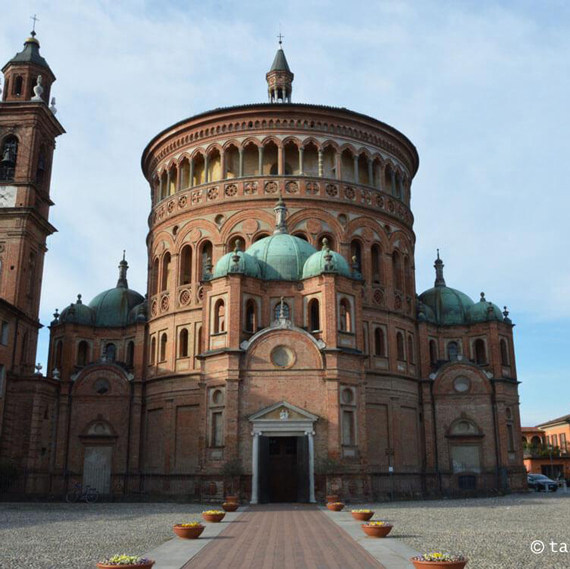
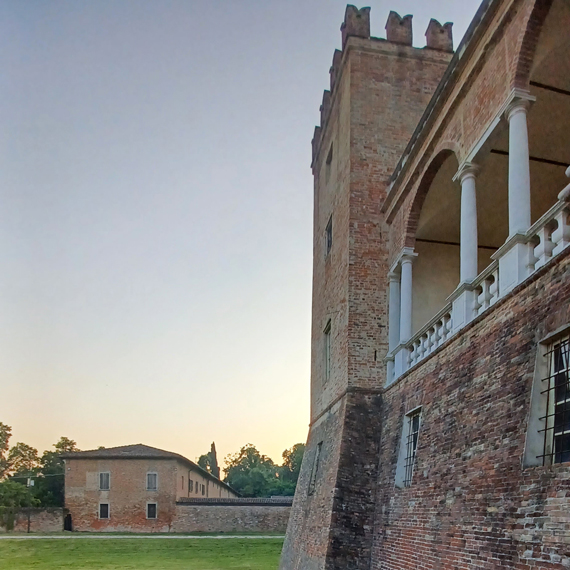
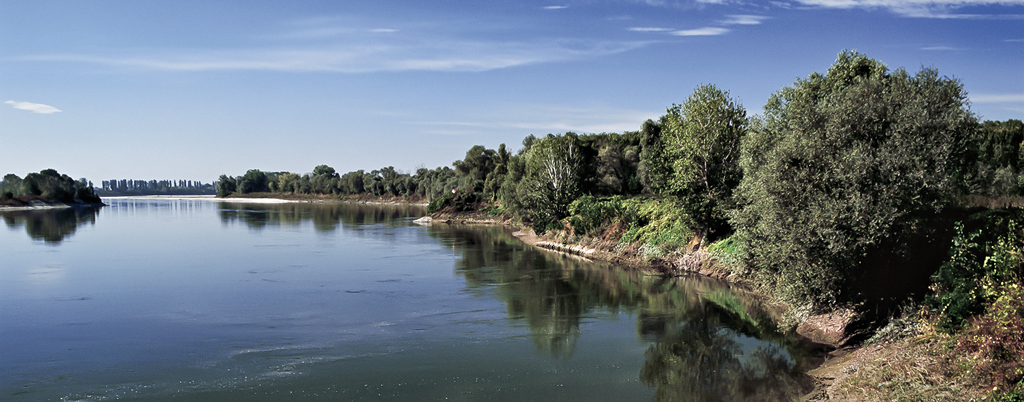
Una cittadina al confine sud-orientale del territorio cremonese, incuneata fra le province di Mantova e Parma, da scoprire a piedi partendo da piazza Garibaldi. Il Duomo è in stile neoclassico, mentre la chiesa di S. Chiara, che si trova di fronte, è del XVI secolo. Due sono i suoi musei: il Museo del Bijou, singolare raccolta di bigiotteria locale dai primi anni del ‘900 e il Museo Diotti, intitolato al pittore casalasco Giuseppe Diotti, importante figura nel panorama ottocentesco lombardo. I palazzi Martinelli, Manara e Manganelli, il teatro di fine Settecento, il torrione estense (ciò che resta delle fortificazioni rinascimentali) giustificano una passeggiata nel centro cittadino, da concludere con una visita al quattrocentesco santuario della Beata Vergine della Fontana e all’argine maestro del Po: è da lì che si può vedere tutta Casalmaggiore e l’ampia curva del grande fiume.
Piazza Garibaldi. La grande piazza che misura 96 metri x 38 metri, fu creata a partire dal 1618 in un luogo paludoso che fu il primo vero nucleo del paese. Detta “Il Listone” per il lastricato marmoreo centrale, rappresenta il cuore della città in cui ogni sabato si tiene il mercato settimanale e si svolgono le principali manifestazioni all’aperto come la Fiera di Piazza di Spagna e la Fiera di San Carlo.
Il Museo Diotti ha sede in un antico palazzo che fu di proprietà del pittore Giuseppe Diotti (1779-1846). Rispettando la volontà del suo illustre abitante si propone non solo come pinacoteca dell’800, ma anche come casa-museo. Una sezione di didattica conserva materiali degli atelier e accoglie una biblioteca specialistica e una sezione d’arte sacra che documenta l’attività decorativa nelle chiese cremonesi intorno alla metà del Novecento.
Il Museo del Bijou (Il Regno dell’oro matto) conserva un patrimonio di più di 20.000 oggetti, tutti prodotti dalle diverse fabbriche di bigiotteria di Casalmaggiore tra la fine dell’Ottocento e gli anni ‘70 del Novecento. Nelle sale del Museo sono esposti attrezzi, macchine utensili, fotografie e cataloghi che documentano quello che fu un fenomeno industriale pressoché unico in Italia, il “secolo d’oro” di Casalmaggiore.
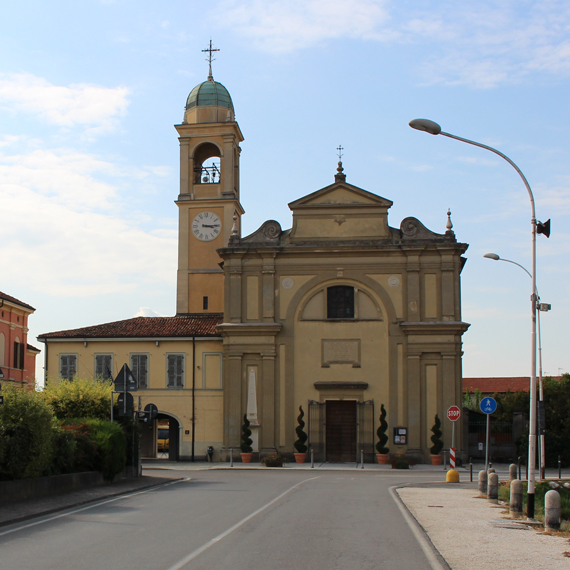
Il Duomo di Casalmaggiore, Parrocchia di Santo Stefano Protomartire è un’imponente chiesa neoclassica della metà del XIX secolo. La cattedrale, iniziata nel 1840, fu affidata all’architetto Fermo Zuccari il quale più tardi, fra il 1897 e il 1899, costruì anche il campanile. Fu consacrata e aperta ai fedeli nel 1861. L’imponente cupola è alta 60 metri; numerose sculture decorano l’ambiente, tra cui 28 Santi in pietra bianca posti nelle nicchie, e altrettanti numerosi dipinti.
•••
A town in the south eastern edge of the area of Cremona, nestled between the provinces of Mantua and Parma, to be explored on foot starting from piazza Garibaldi. The Duomo is neoclassical in style while the church of St Clara, opposite, is XVI century. There are two museums: The Bijou Museum, a unique collection of local costume jewellery from the early twentieth century and the Diotti Museum, named after the local painter Giuseppe Dioti, an important Lombardy figure of the nineteenth century. Palazzos Martinelli, Manara and Manganelli, the late eighteenth theatre, the Este tower (what is left of the renaissance fortifications) justify a stroll through the centre of the town, finishing with a visit to the fifteenth century sanctuary of the Blessed Virgin of the Fountain and the main bank of the Po: it is from there that one can view all of Casalmaggiore and the wide curve of the great river.
Piazza Garibaldi. The great square measuring 96 metres by 38 metres was created from 1618 in a marshy place which was the first true heart of the town. Called “Il Listone” because of its central marble paving, it represents the heart of the town where every Saturday the weekly market takes place and the main open air events are held, like the Piazza di Spagna Fair and San Carlo Fair.
Diotti Museum is housed in an old palazzo which was the property of the painter Giuseppe Diotti (1779-1846). Respecting the wishes of its illustrious inhabitant, it is not only an 1800’s art gallery but also a house-museum. An education section contains workshop material and houses a specialist library and a section of sacred art which documents decorative activity in Cremona churches around the middle of the twentieth century.
The Bijou museum (The Kingdom of mad gold) holds a heritage of over 20,000 objects, all produced by various costume jewellery factories in Casalmaggiore from between the end of the 1800’s and the 1970’s. On display in the rooms of the museum are tools, machines, photographs and catalogues documenting what was more or less a unique industrial phenomenon in Italy the “golden century” of Casalmaggiore.
Duomo di Casalmaggiore, Parish of Santo Stefano Protomartire is an important neoclassical church from the middle of the XIX century. The cathedral, begun in 1840, was put into the care of the architect Fermo Zuccari who later, between 1897 and 1899 also built the bell tower. It was consecrated and opened to the faithful in 1861. The imposing cupola is 60 metres high; numerous sculptures decorate the area, amongst which 28 saints in white stone placed in the niches, and also many paintings.
Scopri
le specialità dei ristoratori del territoriodai un'occhiataHai un ristorante?
Dare visibilità online al tuo locale è un buon modo per raggiungere nuovi clienti.
CONTATTACISeguici su | © 2015 Andiamo a Tavola - Cremona | P. IVA 01287740193
- CONSORZI
- PRODUTTORI
- AGRITURISMI
- PIZZERIE