


- RISTORANTI-TRATTORIE
- PIZZERIE
- AGRITURISMI
- PRODUTTORI
- CONSORZI
 · Abbiamo qualcosa da raccontarvi: "Crema …da visitare" ·← Elenco BlogCrema …da visitare
Seconda città della provincia di Cremona presenta un centro storico ingentilito da una storia di preziosità architettoniche di epoca rinascimentale, seicentesca e settecentesca ben conservate. Da vedere: Palazzo Comunale (1525), affacciato su Piazza del Duomo, Palazzo Benzoni-Frecavalli (1627), Palazzo Marazzi-Griffoni (1422), Palazzo Vimercati-Sanseverino (1602), Palazzo Foglia (1650) e Palazzo Terni-Bondenti (1711); le ville di epoca barocca o successiva, come Villa Tensini (1622), Villa Albergoni (XVII sec.) e Villa Martini (XVIII sec.). Il Duomo di Crema, in stile gotico lombardo, è stato costruito tra la fine del XIII sec. e l’inizio di quello successivo. Meritano una visita: il Santuario di Santa Maria della Croce (XV sec.), teatro di episodi leggendari e miracolosi; la Chiesa di San Bernardino degli Osservanti (1518-1534); la Chiesa di Santa Maria della Stella, che ospita una famosa “Madonna Nera”; l’ex Convento di San Domenico oggi sede del teatro comunale; il Museo Civico dove è presente anche una grande collezione di macchine per scrivere: Crema, infatti, è stata a lungo sede della Olivetti.
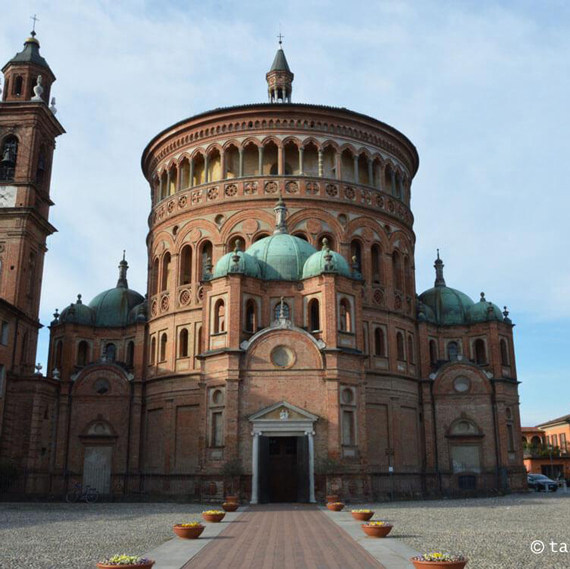
Il Santuario di Santa Maria della Croce, costruito nel 1490, è un meraviglioso esempio di architettura rinascimentale lombarda. L’edificio è in cotto, a pianta centrale, con tre ordini di gallerie sovrapposte e cappelle ai quattro punti cardinali. All’interno le pareti sono mirabilmente affrescate dai maggiori artisti cremaschi e cremonesi con un intreccio degli stili rinascimentale e barocco.
Il Duomo di Crema, dedicato all’Assunta, sorge sul sito in cui il Barbarossa nel 1160 distrusse quello esistente. La cattedrale attuale in ‘gotico-lombardo’ fu ricostruita dal 1185 al 1341 con l’aggiunta più tarda di affreschi votivi e successivamente del campanile costruito tra il XIII e XIV secolo. All’interno sono presenti opere del ‘500 riconducibili al pittore cremasco Vincenzo Cremasco ma il vero cuore della cattedrale è rappresentato dal Crocifisso ligneo duecentesco.
La Chiesa della SS. Trinità, realizzata su progetto di Andrea Noto tra il 1737 e il 1740, è un capolavoro di arte barocca a Crema con all’interno decorazioni particolarmente sfarzose. A fianco svetta il campanile, sormontato dalla statua segnavento del Salvatore.
Il Museo Civico di Crema è collocato all’interno del convento rinascimentale di Sant’Agostino dove è conservato uno straordinario ciclo di affreschi della Crocifissione e dell’Ultima Cena, realizzati da Giovan Pietro da Cemmo. Le sezioni del museo illustrano la storia del Cremasco dalla preistoria ai giorni nostri, attraverso reperti archeologici e documenti storici.
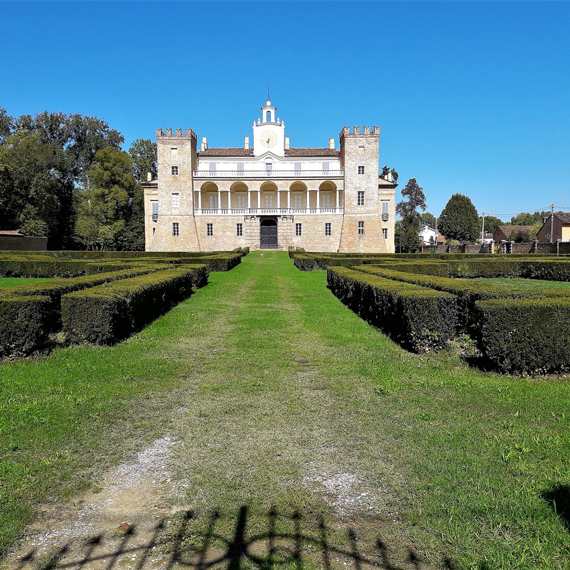
Palazzo Bondenti Terni De’ Gregorj è tra i più interessanti esempi cremonesi di barocchetto. La costruzione del palazzo ha inizio nel 1698 su iniziativa del conte Nicolò Maria Bondenti ma rimane incompiuta e nel 1737 l’opera si interrompe definitivamente. I Bondenti si estinguono nel 1810 alla morte del conte Luigi e il palazzo viene ereditato dai nobili piacentini Portapuglia, per poi giungere alla famiglia Terni de’ Gregori che ancora oggi ne è la proprietaria.
•••
The second city in the province of Cremona has a historic centre that is graced with fine well-preserved renaissance, seventeenth and eighteenth century architecture. Must see: Palazzo Comunale (1525), overlooking Piazza del Duomo, Palazzo Benzoni-Frecavalli (1627), Palazzo Marazzi-Grifoni (1422), Palazzo Vimercati-Sanseverino (1602), Palazzo Foglia (1650) and Palazzo Terni-Bondenti (1711); Baroque or later period villas, such as Villa Tensini (1622), Villa Albergoni (XVII century) and Villa Martini (XVIII century). The Lombard Gothic style Duomo of Crema was built between the end of the XIII century and the beginning of the following. Worth seeing: the Sanctuary of Santa Maria della Croce (XV century), the site of legendary and miraculous events; the church of San Bernardinio degli Osservanti (1518-1534); the church of Santa Maria della Stella, housing the famous “Black Madonna”; the former Convent of San Domenico today is the site of the town theatre; the Town Museum with a large collection of typewriters: in fact, the headquarters of Olivetti were in Crema for a long time.
The Sanctuary of Santa Maria della Croce, built in 1490, is a marvellous example of Lombardy renaissance architecture. The building is in terracotta, with a central plan, three stacked galleries and chapels at the four compass points. Inside, the walls are beautifully frescoed by important artists from the Crema and Cremona area using a blend of renaissance and baroque styles.
The Duomo of Crema, dedicated to the Assumption, lies on the site of the previous one which was destroyed by Barbarossa (Redbeard) in 1160. The current ‘Lombard Gothic’ style cathedral was built between 1185 and 1341 with later additions of votive frescoes and following that by the bell tower built between the XVIII and XIV centuries. The interior holds works from the 1500’s that can be traced to the Crema painter Vincenzo Cremasco but the the true heart of the cathedral is represented by the thirteenth century wooden crucifix
The Church of the Holy Trinity, built according to a design by Andrea Noto between 1737 and 1740, is a masterpiece of Baroque art in Crema with interior decorations that are particularly magnificent. Beside it stands the bell tower, topped by a weather vane depicting the Saviour.
The Museo Civico (Local Museum) of Crema is located within the renaissance convent of Sant’Agostino where there is an extraordinary series of frescoes of the Crucifix and the Last Supper, made by Giovan Pietro da Cemmo. The sections of the museum illustrate the history of the Crema area from pre-history to the present day, through archaeological finds and historic documents.
Palazzo Bondenti Terni De’Gregorj is among the most interesting examples of Barocchetto style in the province. The construction of the palazzo began in 1698 at the request of count Nicolò Maria Bondenti but remained unfinished and in 1737 the work was abandoned. The Bondenti family line ended in 1810 on the death of count Luigi and the palazzo was inherited by the noble Portapuglia family from Piacenza who joined the Terni de’ Gregori family, the current owners.
Scopri
le specialità dei ristoratori del territoriodai un'occhiataHai un ristorante?
Dare visibilità online al tuo locale è un buon modo per raggiungere nuovi clienti.
CONTATTACISeguici su | © 2015 Andiamo a Tavola - Cremona | P. IVA 01287740193
- CONSORZI
- PRODUTTORI
- AGRITURISMI
- PIZZERIE