


- RISTORANTI-TRATTORIE
- PIZZERIE
- AGRITURISMI
- PRODUTTORI
- CONSORZI

 · Abbiamo qualcosa da raccontarvi: "Soncino …da visitare" ·← Elenco BlogSoncino …da visitare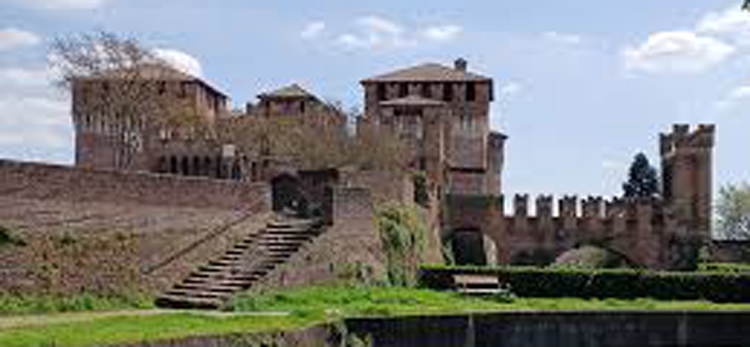
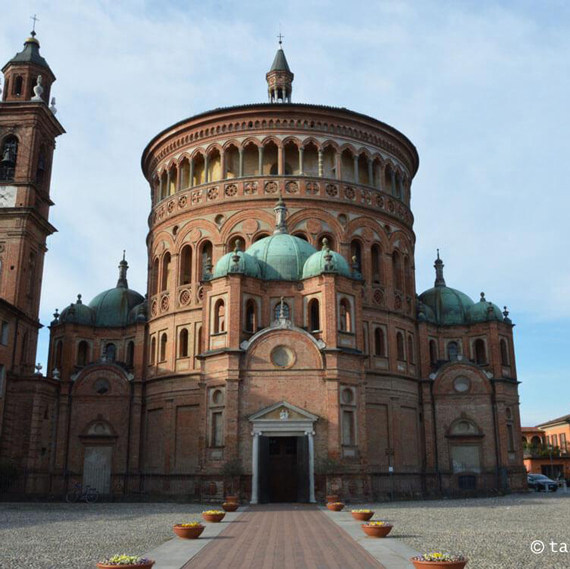
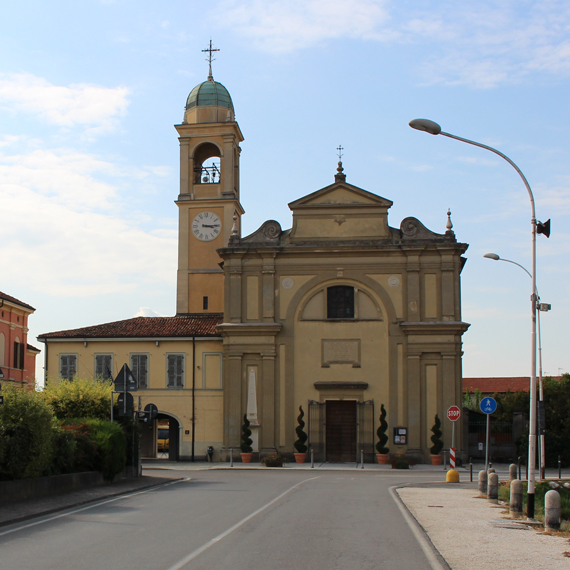
Il Borgo medievale di Soncino, formato da palazzi decorati da fregi in cotto, con mulini e un antico percorso lungo le mura venete che lo circondano è uno dei borghi fra i più belli d’Italia. Un vero tuffo nel passato a partire dalla Rocca millenaria che è l’esempio di architettura militare meglio conservata di tutta la Lombardia. Accoglie monumenti storici e artistici come il campanile della Pieve di S. Maria Assunta, la torre civica, la torre eptagonale della chiesa di S. Giacomo, la Rocca e, fuori dalle mura, la chiesa di S. Maria delle Grazie affrescata da Giulio Campi. Meritano una visita anche il Museo della Stampa e la Casa degli Stampatori, dove nel 1488 fu stampata la prima Bibbia Ebraica e il Museo della Seta ricavato nell’antica Filanda Meroni.
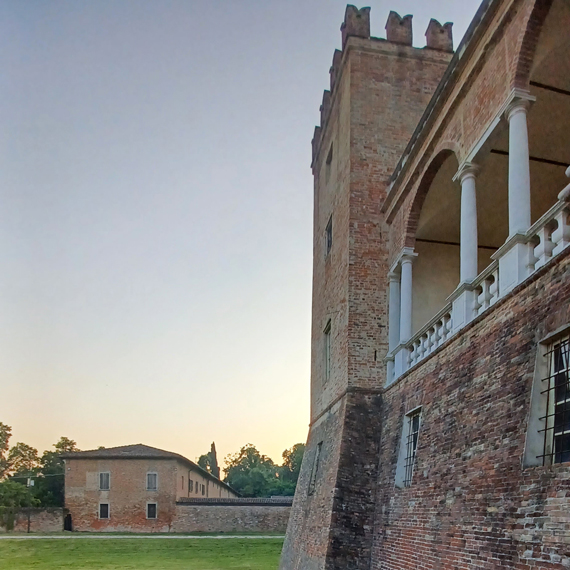
La Rocca Sforzesca è l’esempio che meglio rappresenta l’idea sforzesca del castello medievale. Realizzata nel 1473 su progetto dell’architetto militare Bartolomeo Gadio sorge sulle rovine del monastero Benedettino di S. Caterina. E’ costruita interamente in laterizio e fu portata a termine in soli tre anni. Un ampio e profondo fossato circonda tutto il perimetro esterno della Rocca; sormontata ai quattro angoli dalle torri, è dotata di vari locali sotterranei, uno dei quali era adibito a prigione.
Museo della Seta. Nato oltre vent’anni fa dalla collezione privata del suo Curatore Enzo Corbani, offre ai visitatori la possibilità di conoscere l’antica arte manifatturiera della seta tramite l’esplorazione di antichi strumenti per la produzione della seta, dall’approvvigionamento delle uova dei bachi fino alla trattura della seta.
Museo della Stampa. La storia della stampa si intreccia con il borgo di Soncino. A causa delle numerose persecuzioni anti-ebraiche, la famiglia del medico-rabbino Israel Nathan fu costretta ad allontanarsi da Spira (Germania) giungendo così a Soncino dove nel 1488 applicando la tecnica della stampa a caratteri mobili inventata da Guthemberg, stampò la prima Bibbia Ebraica completa di segni vocalici.
La Chiesa di San Giacomo fu costruita nel XII secolo al posto di uno ospizio altomedievale che accoglieva i pellegrini diretti alla tomba di S. Giacomo a Santiago de Compostela. L’interno a tre navate è suddiviso su tre piani. L’altare è sopraelevato e si raggiunge tramite un’ampia scalinata in marmo. Nella cripta sotto all’altare, denominata Santa Corona, originariamente veniva custodita la porzione della Sacra Spina di Gesù ora in Pieve.
•••
The medieval village of Soncino, created with palazzos decorated with terracotta friezes, with windmills and an old path along the Venetian walls which surround it make it one of the prettiest villages in Italy. A true dive into the past starting from the 1000 year old Rocca (stronghold) which is an example of the best preserved military architecture in all of Lombardy. It holds historic and artistic monuments such as the bell tower of Pieve di S. Maria Assunta, the civic tower, the heptagonal tower of the church of S. Giacomo, the Rocca and, outside the walls, the church of S. Maria delle Grazie with frescoes by Giulio Campi. Worthy of a visit also are the Printing Museum and the House of the Printers where in 1488 the first Hebrew Bible was printed and the Silk Museum housed in the old Meroni spinning mill.
The Rocca Sforzesca is the example that best represents the Sforza idea of the medieval castle. Built in 1473 on the design of the military architect Bartolomeo Gadio, it rises on the ruins of the S.Caterina Benedictine monastery. It is built entirely from brick and was completed in just three years. A wide and deep moat surrounds the external perimeter of the stronghold; topped at the four corners with towers, it has various underground places, one of which was used as a prison.
Silk Museum. Created over 20 years ago, it is the private collection of its curator Enzo Corbani and offers the visitors the chance to learn about the ancient art of silk manufacture through the exploration of old tools to produce silk, from the supply of silk worms to the treatment of the silk.
Museum of Printing. The history of printing is linked with the village of Soncino. Due to numerous anti-Jewish persecutions, the family of the rabbi doctor Israel Nathan was forced to move from Spira (Germany) reaching Soncino where in 1488, applying the movable type printing technique invented by Guthemberg, he printed the first Hebrew Bible complete with vowel marks.
The Church of San Giacomo was built in the XII century on the site of an early medieval almshouse which took in pilgrims heading for the tomb of St James in Santiago de Compostela. The triple nave interior is subdivided on three floors. The altar is raised and can be reached via a wide marble staircase. In the crypt below the altar, called Santa Corona, there was originally held part of the Sacred Crown of Thorns of Christ, now in Pieve.
Scopri
le specialità dei ristoratori del territoriodai un'occhiataHai un ristorante?
Dare visibilità online al tuo locale è un buon modo per raggiungere nuovi clienti.
CONTATTACISeguici su | © 2015 Andiamo a Tavola - Cremona | P. IVA 01287740193
- CONSORZI
- PRODUTTORI
- AGRITURISMI
- PIZZERIE